
Lions Roam 2026
by Zoey Lee ‘27
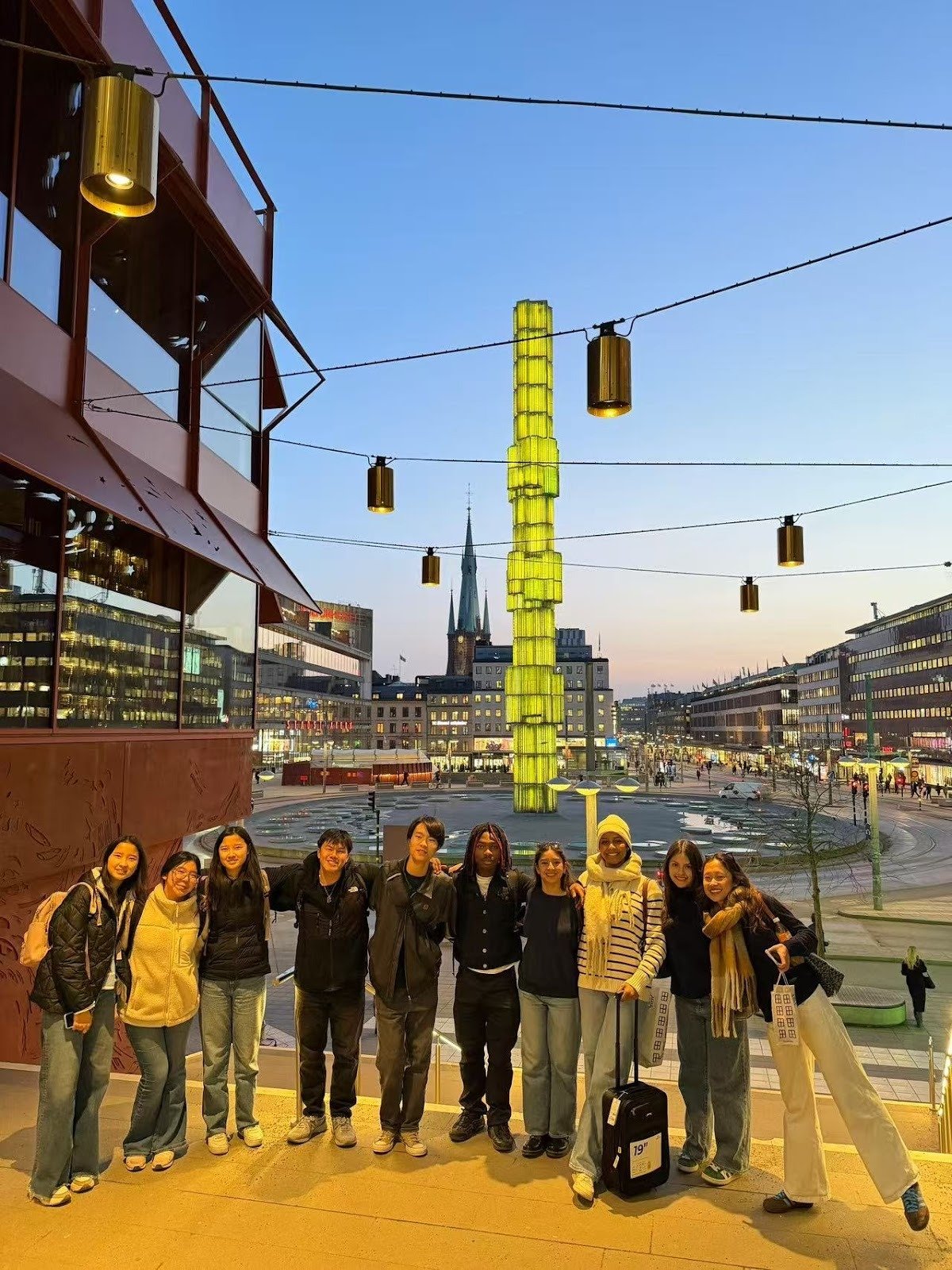
This year’s Lions Roam was named “Surfacing the Past: Museum Design Through Artifacts” and they travelled to Sweden this March for two weeks. The course was offered in the fall, and they learned about Scandinavian history, museum design, analyzed art, and designed their own museums. According to the Guiness World Records, Sweden has the most museums per capita as of 2021, so it makes sense that they went to Sweden, for its abundant and diverse museums. Specifically, Mr. Spalletta and Ms. Griffin thought that the Vasa Museum offered an interdisciplinary experience that would attract people with many different interests. They went to 18 different museums in the span of two weeks, that included ones that focused on history, focused on photos, that used to be a person’s house, the first ever open air museum, and more. They were in Stockholm for most of their time, with Petroula, their guide, but also spent 3 days in Kiruna, up north, to learn about Sámi, the indigenous population in Sweden and to go to the ice hotel.
The first museum they went to was Skansen, which is the first ever open air museum that opened in 1891, which basically means that its exhibitions are outdoors. The museum has a zoo, gravestones spread out outside, and lots of old buildings with artifacts inside them. The students got to see what a typical Scandinavian home used to look like and got to try a classic Swedish plate, fresh cod with mushrooms and potatoes with lingonberry juice. Lingonberries are tiny red berries that taste sweet and sour.
They also got to experience a Swedish cooking class in Stockholm, where they made their own lunch. They made mashed potatoes, lingonberry sauce, and a lettuce roll filled with ground meat. They also made dessert, which was a mixed bowl of chocolate, fruits, whipped cream that they whipped themselves, and ice cream. They discovered that the cooking place had a stand mixer only after they had whipped all the whipped cream by hand, which I thought was a clever joke.
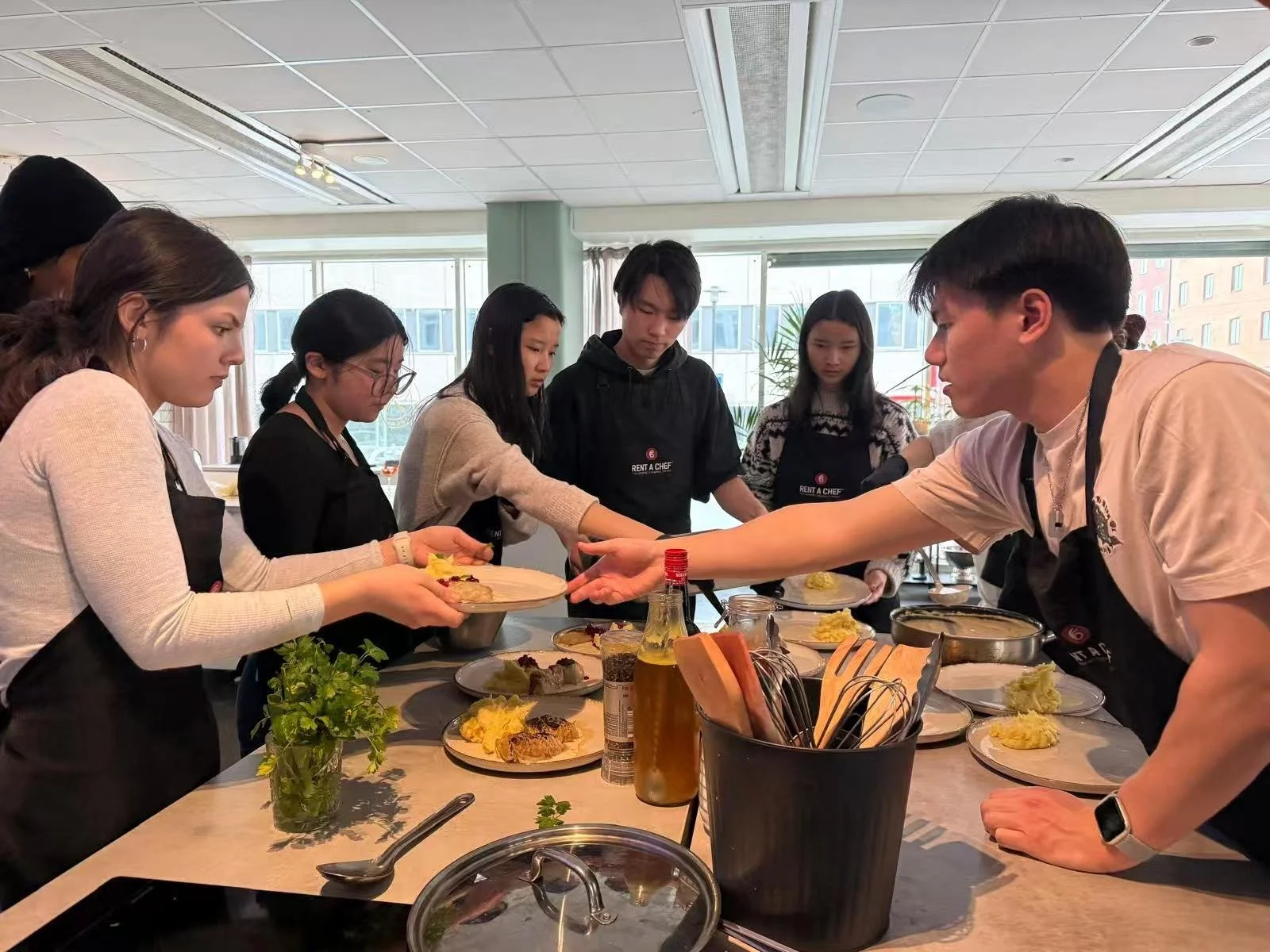
Lions Roam students participating in a Swedish cooking class.
During their second week, they went to Kiruna to learn about Sámi culture. They had a Sámi tour guide in Kiruna, and visited another open air museum called Nutti Sámi Siida. They had a Sami meal, which included reindeer pizza and bear meat, in a lavvu shaped house, which is a traditional Sami house. I was told that the reindeer meat tastes like a combination of lamb and cow, but that the bear was not very palatable. While they ate, they also heard all about Sami culture from the Sami people that work at Nutti Sami Siida. Sami people rely heavily on reindeers as their source of food and warmth. Reindeers usually get food from under the snow, but with global warming the snow is melting and turning into ice, making it hard for reindeers to hunt. The Sami language is also getting lost because Sami kids are getting taught English and Swedish in school, and in some cases, they can’t even communicate with their parents. After having the meal, they went outside to meet reindeers and look at Sami art.
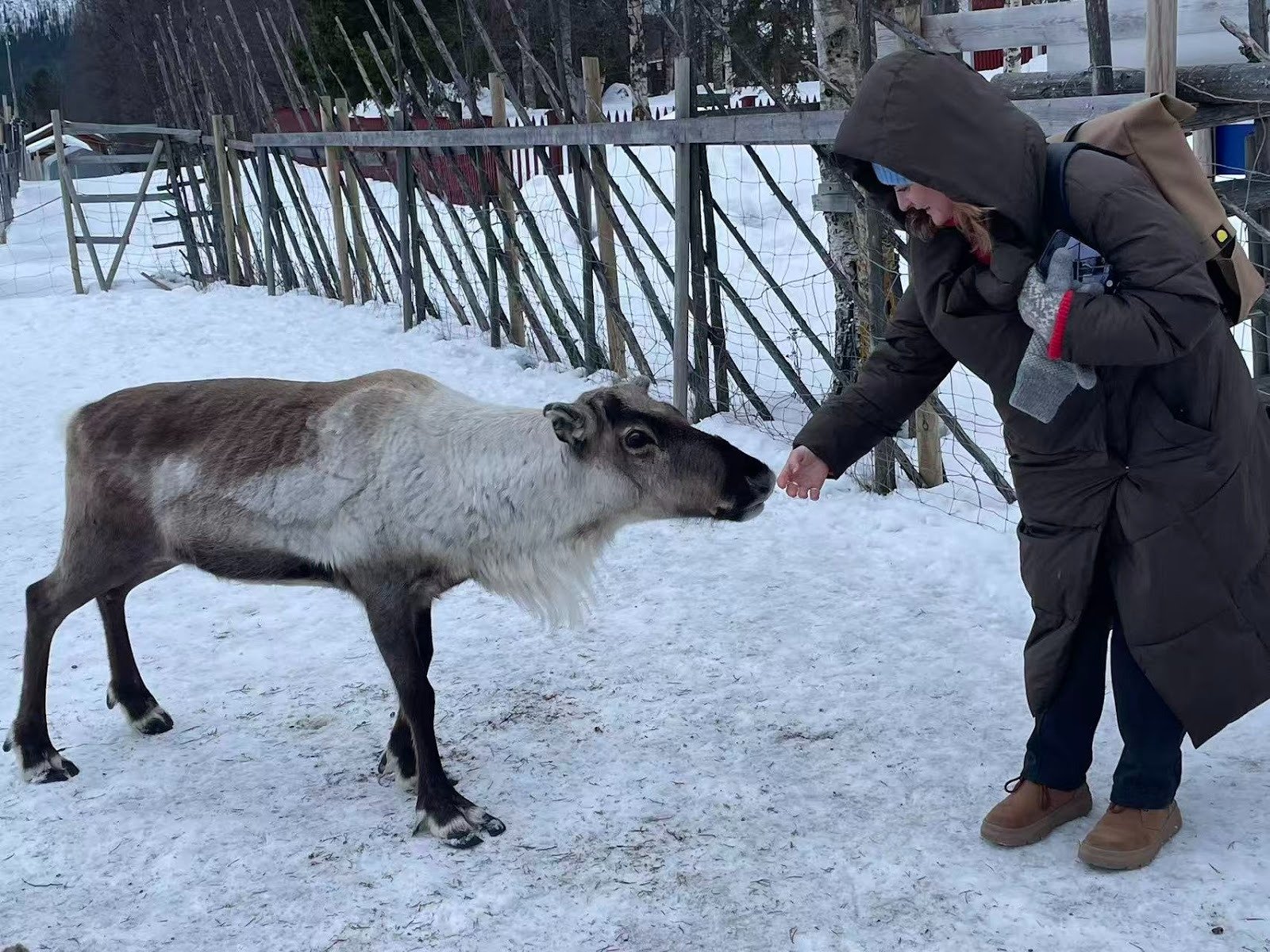
Petroula, their guide, interacting with a shy reindeer that’s only a few months old.
They also got to go to the Ice Hotel while they were in Kiruna. Although they didn’t get to sleep overnight there, they got to play on ice slides and explore the ice sculptures.
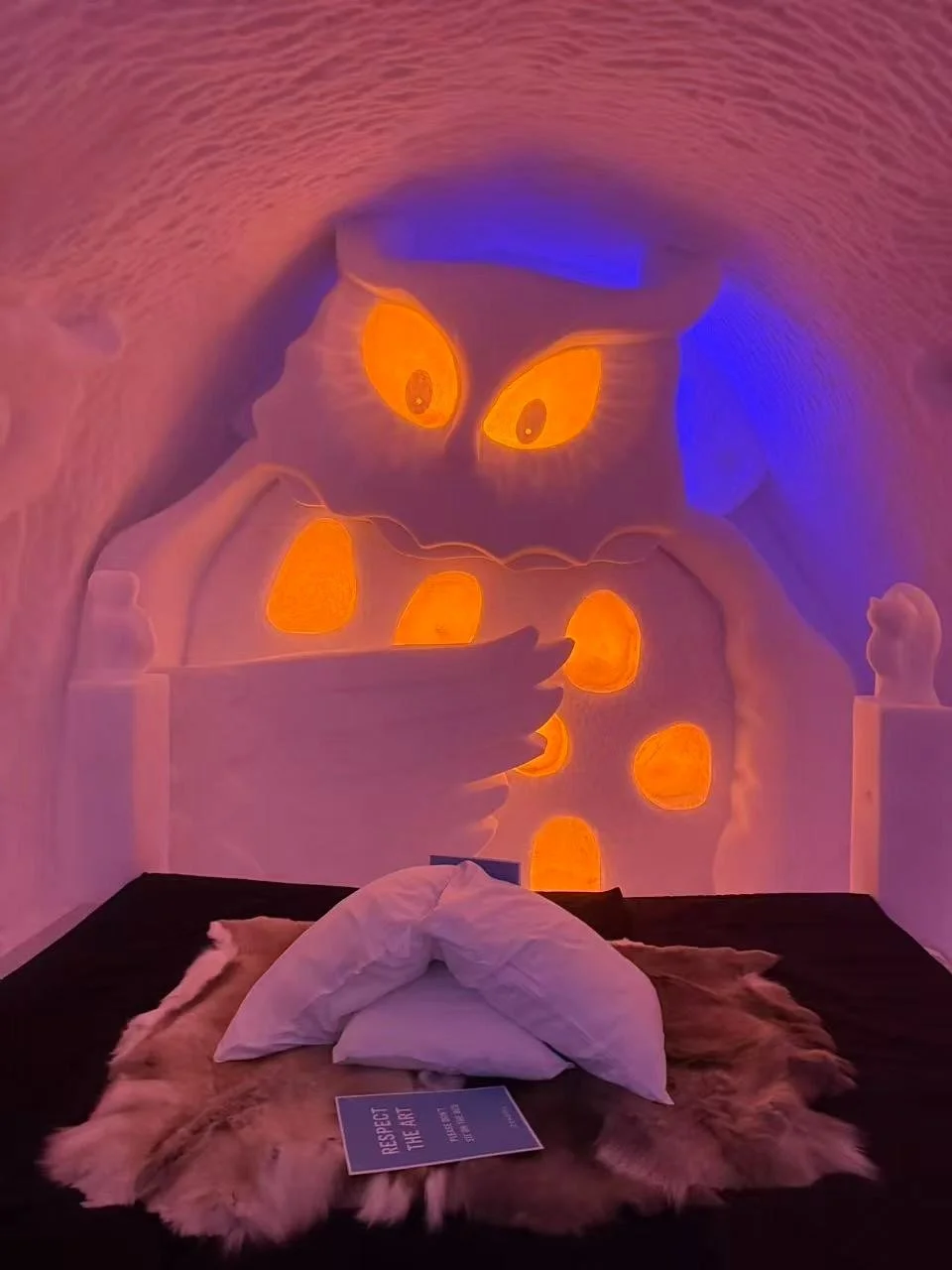
One of the many ice sculptures at the ice hotel.
They spent the most time in Vasa Museum, which was the second to last museum that they visited. They spent an entire day there, getting to learn all about the story of the Vasa warship; the people that were on board, why it was built, how it sank, and more. The Vasa warship was built for a war between Poland and Sweden to showcase how powerful the king of Sweden is, so it had lots of statues on it. However, it sank because of the numerous statues and how tall the ship was and it stayed at the bottom of the ocean for 333 years while people looked for a way to resurface the ship without damaging it. In those 333 years in the ocean, the Vasa lost a lot of its color, but scientists were able to run chemical diagnostics to find out what pigments were on the wood. So at the museum, there were also projections of what scientists think the Vasa looked like brand new.
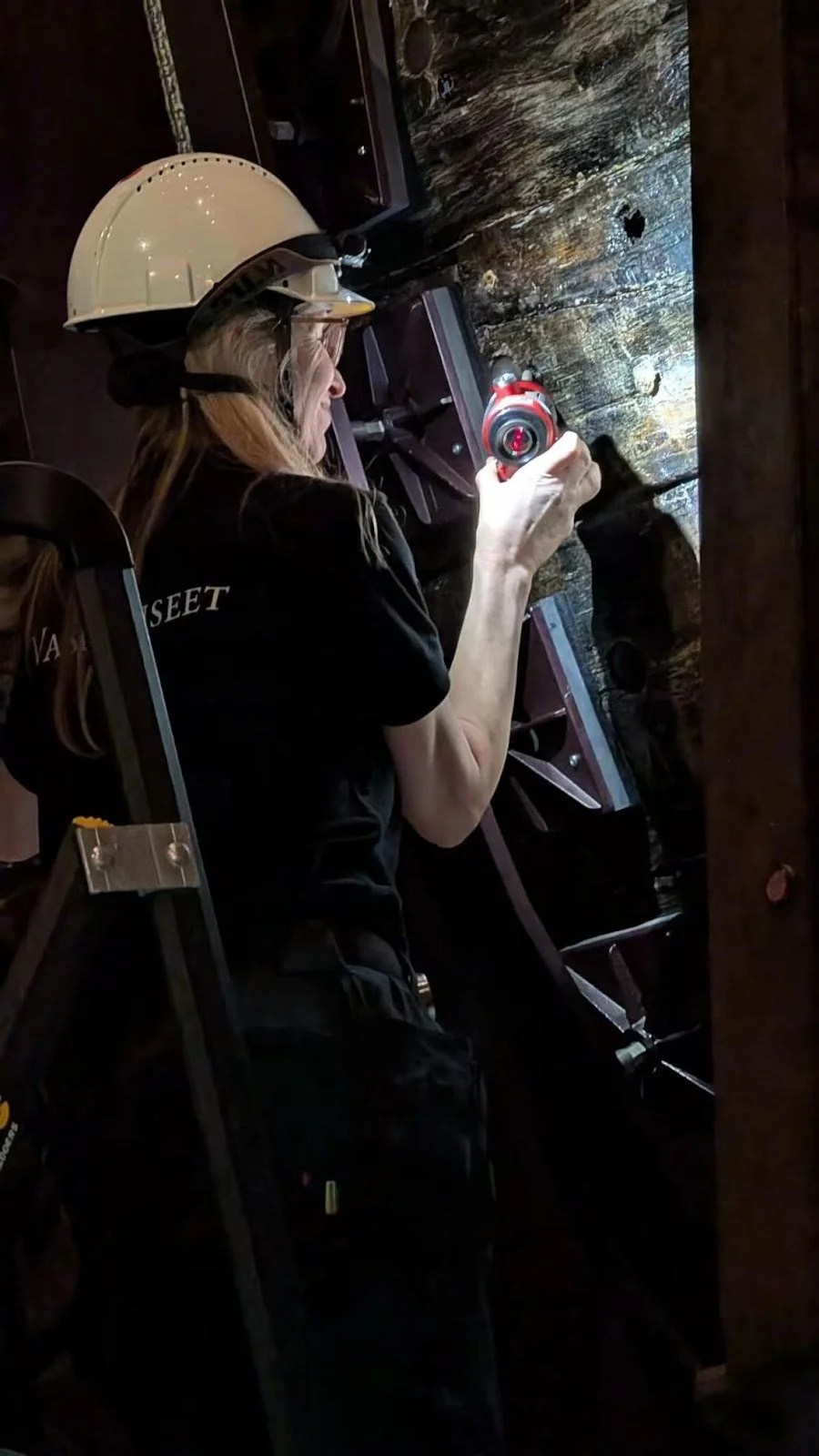
A staff member at the Vasa fixing a support that was harming the ship.
At the end of the day, they had an assignment to find something that the museum was missing and to come up with their own exhibition that would fill that missing part. They then presented each of their exhibition ideas to the Vasa Museum curator, and she thought that everyone had great ideas. This was also Mr. Spalletta’s favorite part of the trip, because he felt very proud of everyone for their presentations and how far they’ve come.
