
By Gavin Hu ‘27
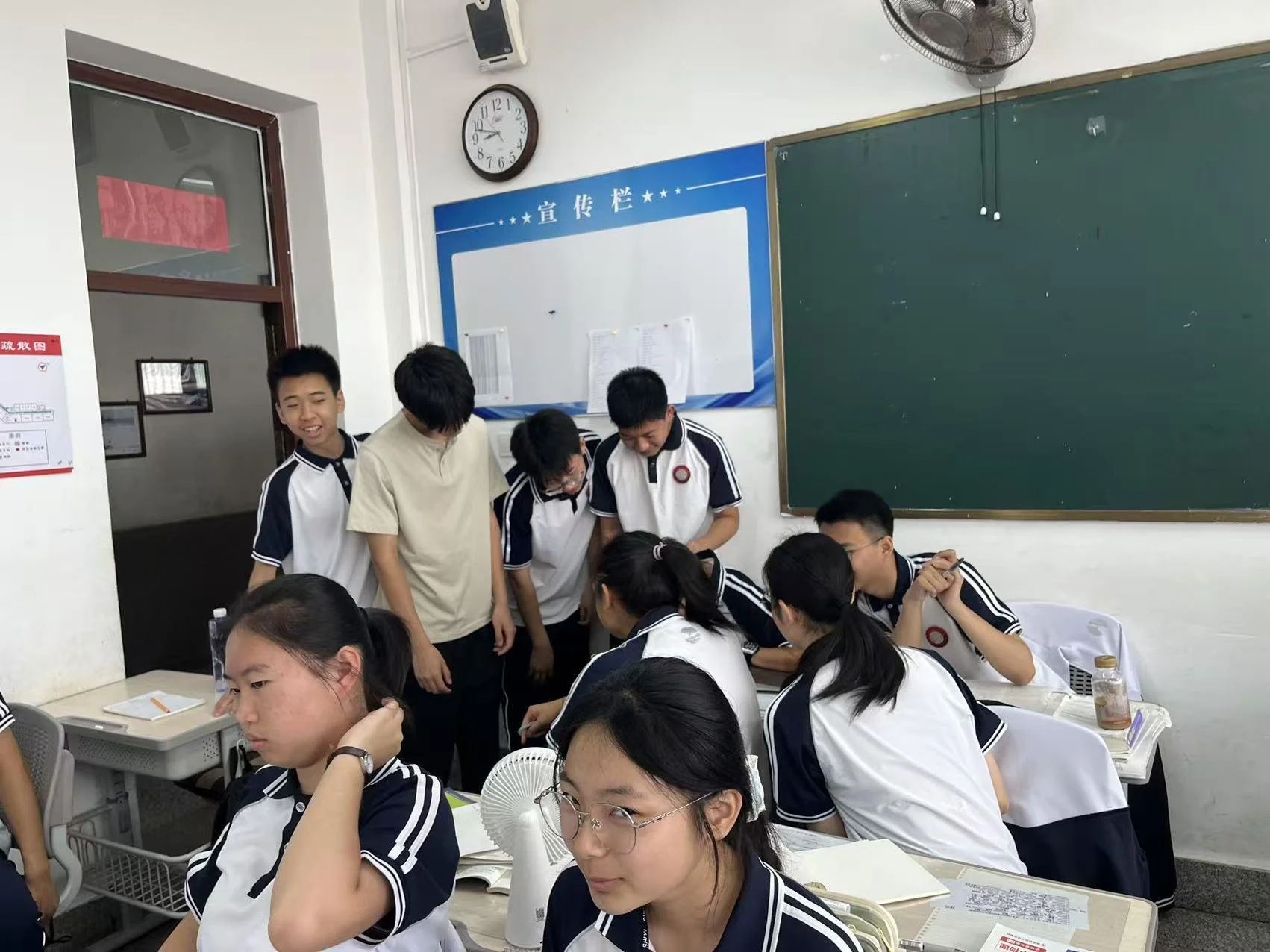
This summer, I utilized the three St. Mark’s grants to fund two separate ventures. With the A.A. Jones International Studies Grant, I was able to travel to China to attend local high schools as a transfer student, journaling my experiences and talking with students about their daily lives and the education system. With support from the Warren Scholars and Matthews Fund grants, I continued Stringclusive, a free music program I started with friends that brings string instruction to Waltham and Sharon, Massachusetts.
Why China?
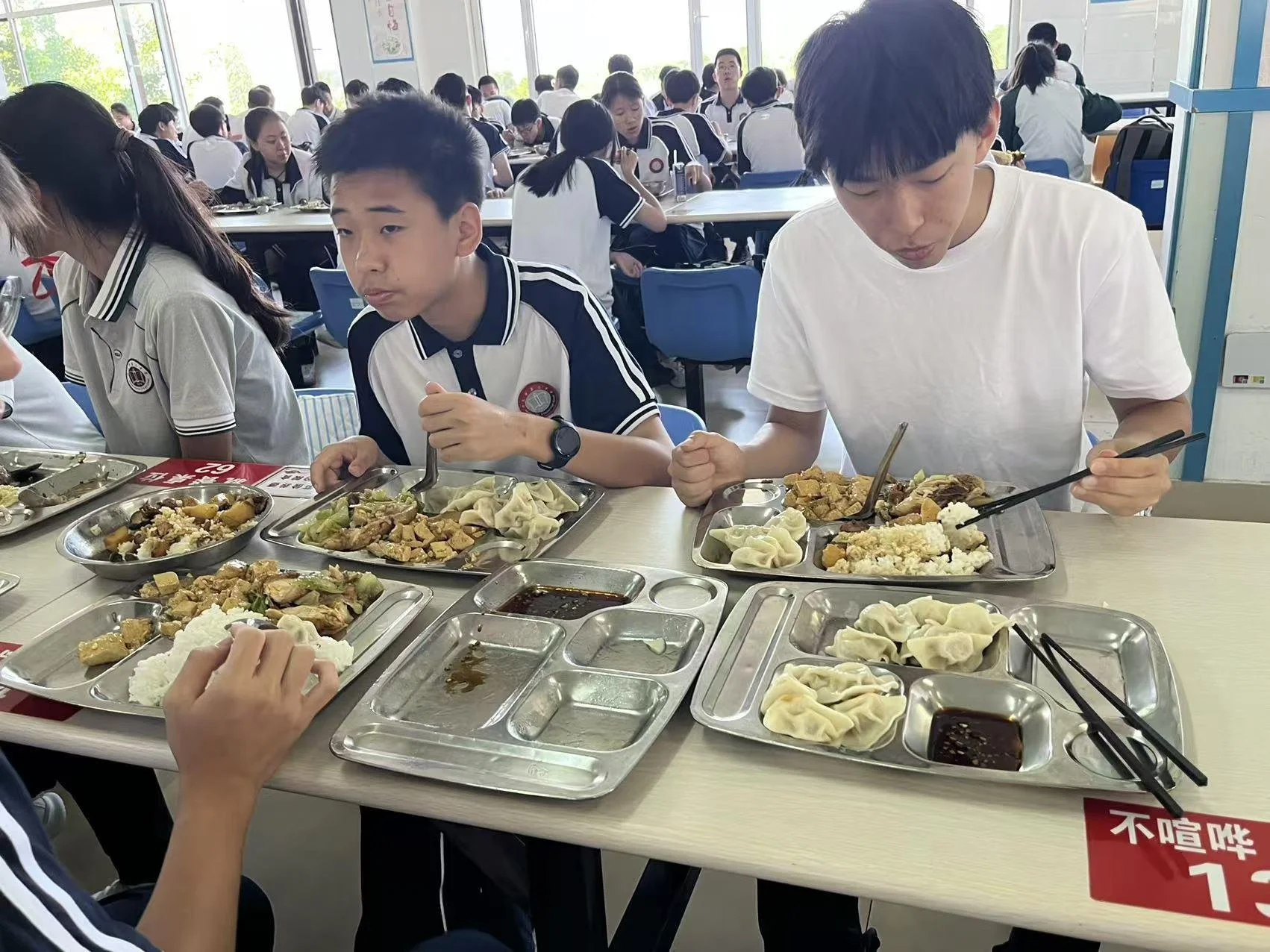
I spent one week in Guyuan, a small city in Ningxia in northwest China, and one in Dandong, Liaoning, which lies near the North Korean border. I visited these areas because many of my family members were born or currently live in these two areas, which gave me access to attend school as a student.
Program
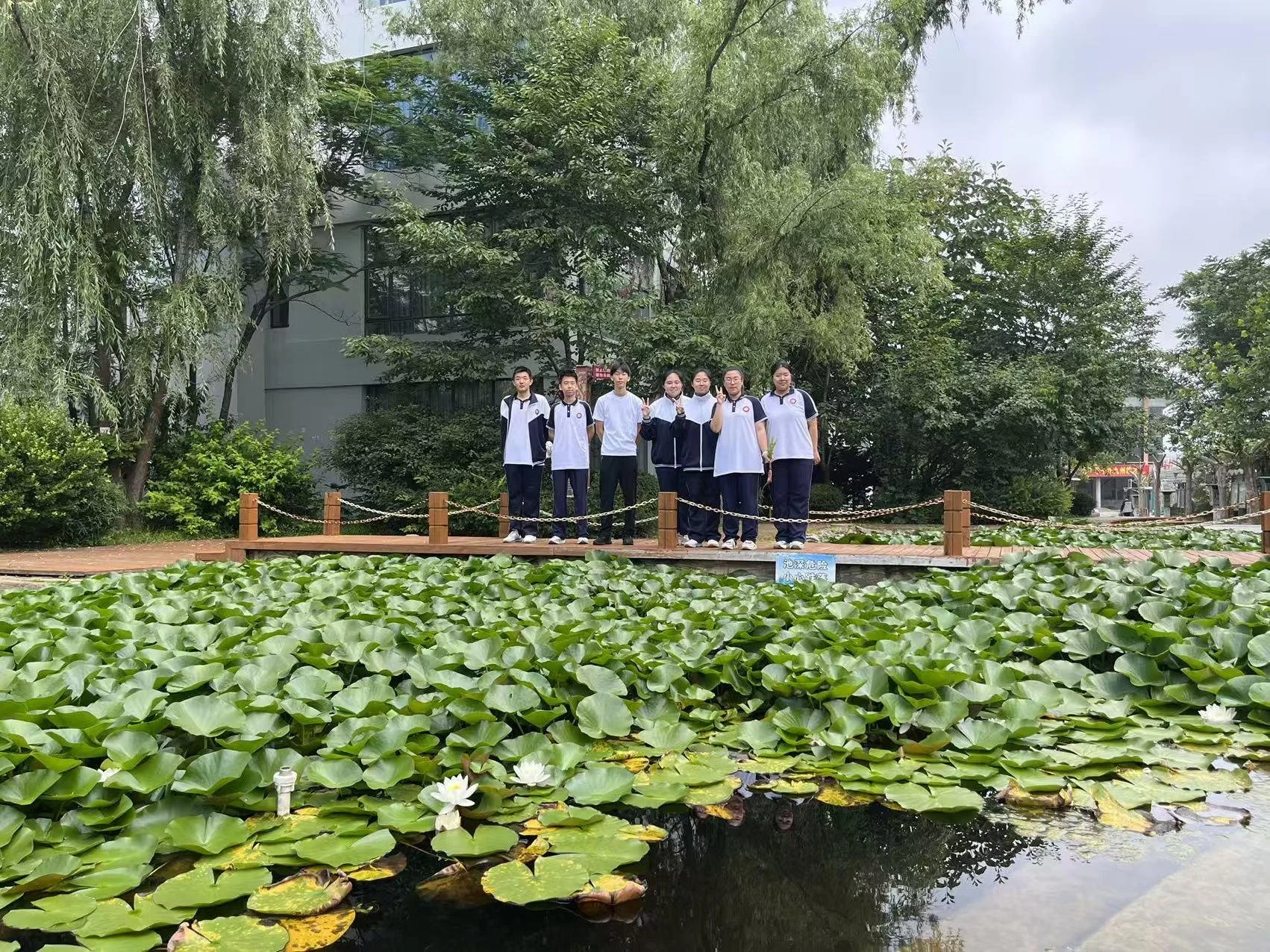
I attended Guyuan No. 1 and No. 2 High Schools as well as Dandong No. 2 High School, experiencing class days and extracurricular activities. The Guyuan schools had noticeably fewer resources, being in a small rural city, while Dandong resembled an American private school, with boarding students and well-kept facilities. The most striking thing I learned was their daily schedule: school runs from 6:00 a.m. to 3:00 p.m., then continues after a break until 11:00 p.m. for afternoon study.
The students I met were extremely intelligent but shared many of the same daily struggles as we do: athletics, grades, and getting into college. A core research focus of mine was the Gaokao, the college entrance exam that determines which colleges you get into. The general consensus was that it takes up too much of their time and that having a singular test determine your future is stressful, especially considering how the curricula at these schools were designed to prepare high schoolers for the test. From the teachers’ standpoint, the process has improved over the last few decades, as students from these impoverished areas have gained some representation in China’s elite colleges.
Why Stringclusive?
As a long-time cellist who loves playing and listening to classical music, I owe many of my closest friendships to the communities I’ve gained through this interest. It is a privilege to study with a private teacher each week and to attend the programs that have pushed my playing further, and that realization is the motivation behind Stringclusive: rental costs, lesson fees, and a general lack of exposure keep students similar to me from having the same access to music.
Program
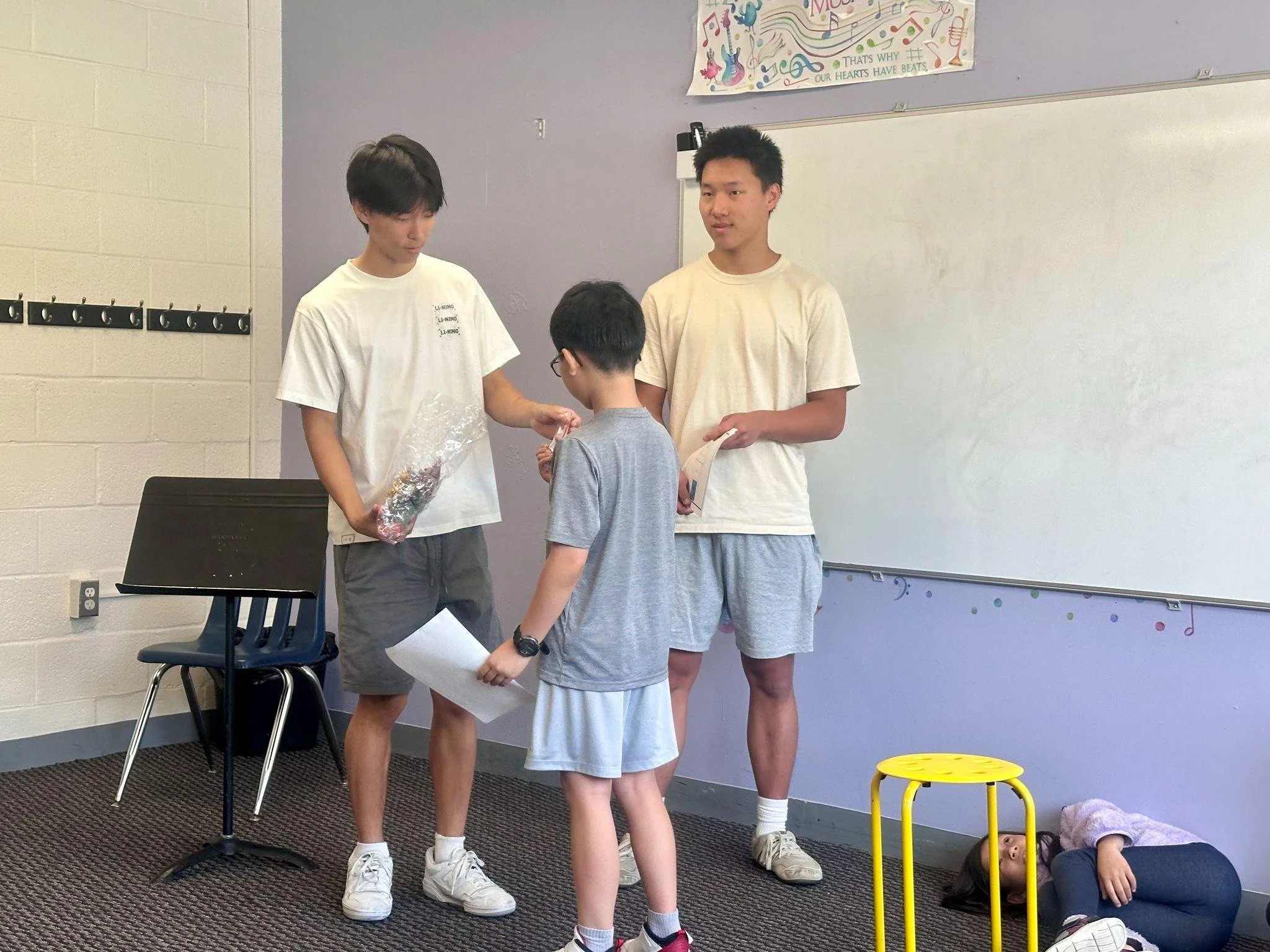
This year, we ran a program at the Prospect Hill Community Center in Waltham and the Temple Israel Synagogue in Sharon, teaching students in each area either the violin or the cello, along with rhythm and music theory exercises. We were able to access free instrument rentals from Johnson String Instruments.
Result
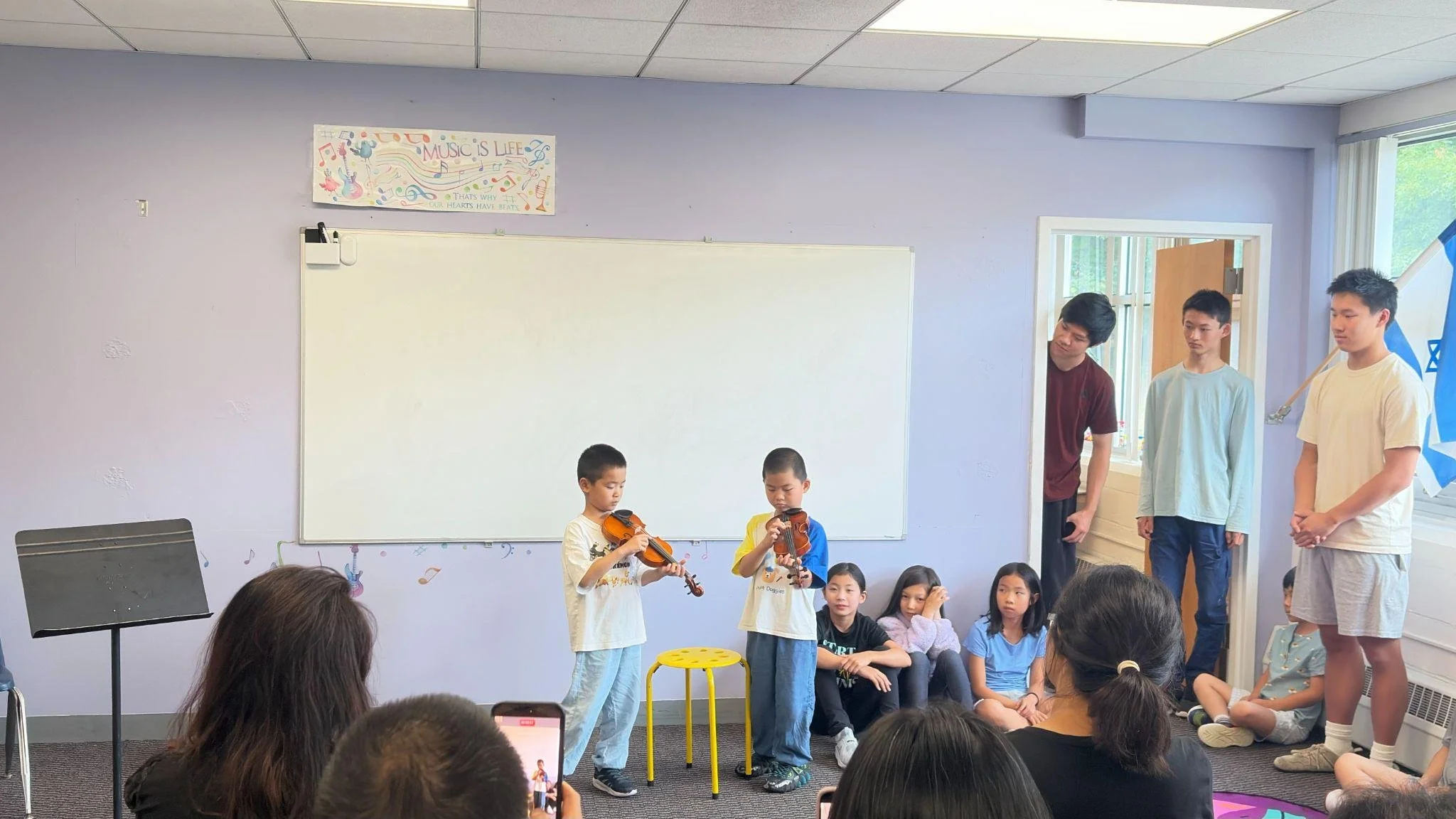
Our students were roughly five to ten years old. Over five days, they learned basic repertoire like “Ode to Joy,” and on the final day, they performed for their families. As much as they learned, I think we student mentors learned just as much, since we had to adapt to each child’s needs and learning preferences. In addition, this program reminded us of our original motivation: to create a community for people to enjoy music.
Impact of the Grants
The A.A. Jones Grant is what made my research in China possible, and seeing education and culture through students my own age gave me a parallel perspective on the resources available to me at St. Mark’s. The Warren Scholars and Matthews Fund grants allowed us to cover venue costs, food supplies, and music tools, turning Stringclusive from a lofty ambition into a concrete venture. Through this support, I’ve gained a clearer sense of the privilege my own interest stands on and of how a community, however small, can reach many when built around a valuable purpose.
Looking Ahead
What stayed with me most from China was how much it contrasted with my expectations, as I had assumed these students would be living a completely different life from me. That wasn’t the case. Although they have school days twice as long as ours, travel by e-scooter, and study advanced math in their first year of high school, my time with them outside of the classroom showed me that some things in life are universal.
From Stringclusive, I learned how indescribable it feels to introduce an instrument to a child who might never have held one otherwise. I hope to keep expanding Stringclusive, now in its fourth year, across Massachusetts and beyond, and I hope these experiences empower other St. Markers to understand other cultures more and to see that their own passions can serve people too.
If you would like to hear more about either grant experience, feel free to reach out in person or by email.