
Prize Day Issue
May 15 2026
Can the Patriots Make it Back to the Big Game?
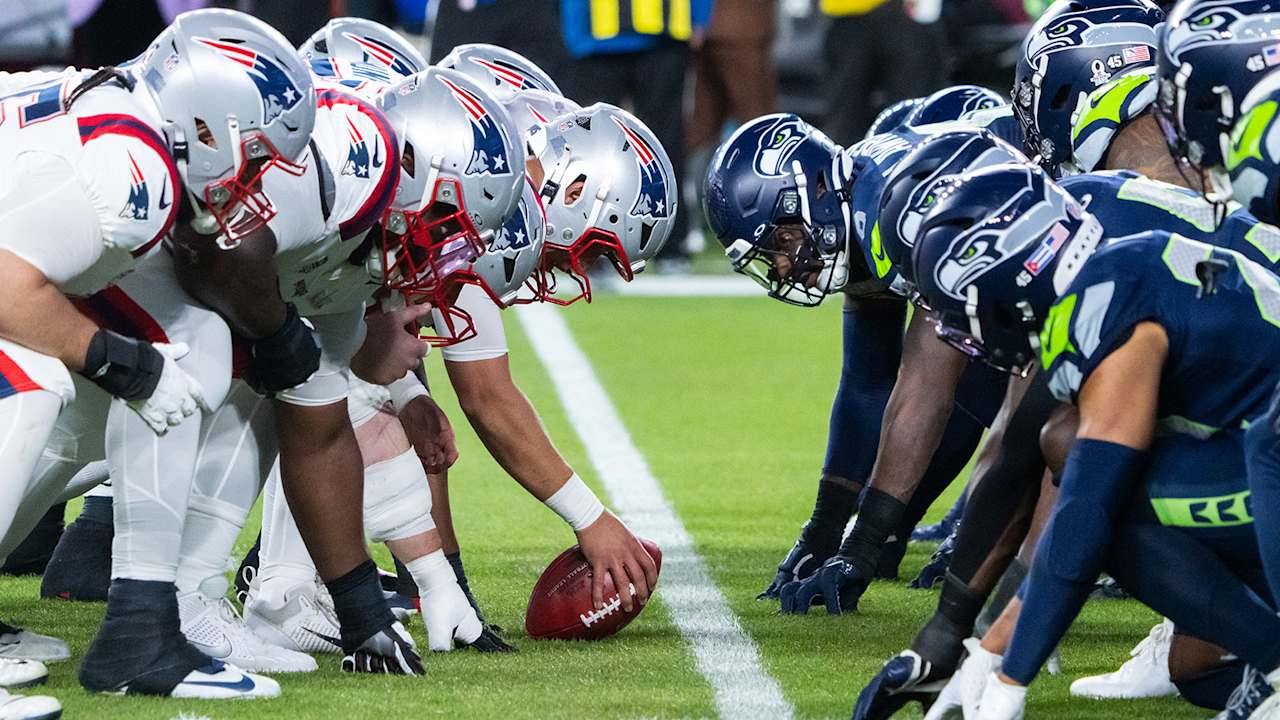
On Wednesday night, the New England Patriots marched into Lumen Field in Seattle with a point to prove. Just seven months ago, the Patriots’ storybook run to the Super Bowl ended in a heartbreaking 29-13 loss to the Seattle Seahawks.…
Source: Patriots.com
By Dwight Lin ’28
The Status of the AFC
On Wednesday night, the New England Patriots marched into Lumen Field in Seattle with a point to prove. Just seven months ago, the Patriots’ storybook run to the Super Bowl ended in a heartbreaking 29-13 loss to the Seattle Seahawks. Fresh off a disappointing 4-13 record, the 2025 Patriots made a stunning comeback, riding Mike Vrabel’s revamped defense and Drake Maye’s MVP-caliber year to their first Super Bowl appearance since the Brady-Belichick era. With reinforcements added to the offensive line and the wide receiving corps in the offseason, the Patriots were expected to compete much more closely with the Seahawks in their highly anticipated rematch. At first, New England looked well on their way to a convincing victory. An injury to Seahawks starting quarterback Sam Darnold on the first drive of the game caused the Seahawks' offense to stall, leaving them up 10-0 entering the third quarter. However, the Seahawks rallied late, forcing three interceptions and turning what was supposed to be a statement game for the Patriots into a 13-10 loss. It was a frustrating start for a team that had spent the offseason trying to fix the same problems that sank it in February.
At the time of writing this article, the Patriots stand at 0-1 and face a tough slate of games, with the Steelers, Jaguars, and Bills being difficult outs. To make matters worse, the Patriots’ star wide receiver, AJ Brown, who was traded for a first-round pick, will be out for the next four games. Nevertheless, the Patriots still have significant talent, especially on defense, which played exceptionally well against the Seahawks. The offensive line also looked significantly improved against the Seahawks, with Drake Maye facing far less pressure from the Seahawks defensive front than he did in the Super Bowl. The primary issues that plagued the Patriots against the Seahawks were their lack of a run game and inconsistent quarterback play. Rhamondre Stevenson, the Patriots' starting running back, was largely contained by the Seahawks defense, held to only 2.8 rushing yards per attempt. The Patriots' other, more explosive back, TreVeyon Henderson, was injured Wednesday but should add a more dynamic element to the Patriots' run game when he returns against the Steelers. The main man himself, Drake Maye, looked uncomfortable and hesitant, repeatedly missing throws and throwing multiple dangerous balls into double coverage. Being outplayed by a backup quarterback, Drew Lock, was highly concerning and stood in stark contrast to Maye’s form last year, when he was praised as one of, if not the, most accurate quarterbacks in the league. If the Patriots are to make another run, they will need Maye to return to his MVP form, especially as they are suffering injuries to key receiving weapons. Ugly Week 1 losses happen all the time in the NFL, but there were clear warning signs in this game of potential regression on the offensive side of the ball. It will be up to the Patriots coaching staff and players to clean up these issues over the course of the season, and to do so quickly, as they play the sixth-hardest schedule in the NFL.
While the competition in the AFC isn’t as cutthroat this year as in the NFC, there are a few resurgent juggernauts that the Patriots will need to defeat on their way to the playoffs and Super Bowl. Most notably, in their own division, the Buffalo Bills have started the year on a hot note. After multiple years of underachievement with their star quarterback Josh Allen, they promoted offensive coordinator Joe Brady to head coach. Early results have looked good, with the Bills dropping 36 points on the vaunted Texans defense in their home opener, then putting 41 points on the board against the Lions. The Patriots will have to play the Bills at least twice this year and must defeat them to secure a higher seeding and, therefore, home-court advantage in the playoffs. The Baltimore Ravens have also retooled after a disappointing season last year, and two-time MVP quarterback Lamar Jackson had an incredible performance against the Colts in Week 1, with both their offense and defense looking much improved. Finally, the Kansas City Chiefs, the dynasty that replaced the Tom Brady Patriots, have looked to be back in form after missing the playoffs last year. The Chiefs traded for Super Bowl MVP Kenneth Walker III, one of the best running backs in the league, this offseason, and early returns have been exceptional. Walker rumbled for 173 yards against what was expected to be an elite Broncos defense on Monday night, adding a dimension to the Chiefs' offense in the run game that has rarely been there in the Patrick Mahomes era. Furthermore, talented teams like the Broncos, Jaguars, and Texans are looking to replicate their success from last year, while teams like the Bengals and Chargers have made major offseason acquisitions to their offensive and defensive lines to return to contending status.
So can the Patriots make it back to the big game? It is possible, but an 0-1 start and one of the hardest schedules in the league leaves little room for error, and a road to the top seed will most likely run through Buffalo, Baltimore, or Kansas City. Still, the Patriots have a good foundation in their defense and offensive line. If Drake Maye can rediscover the play that made him an MVP candidate, this team can absolutely be dangerous in January. If not, this first loss in Seattle will be seen as the first sign that the Patriots' turnaround from last season was doomed to be unsustainable. The chance for the Patriots to show which version of the narrative is real will come as they take on the next three games of their schedule.
Absence of Preseason
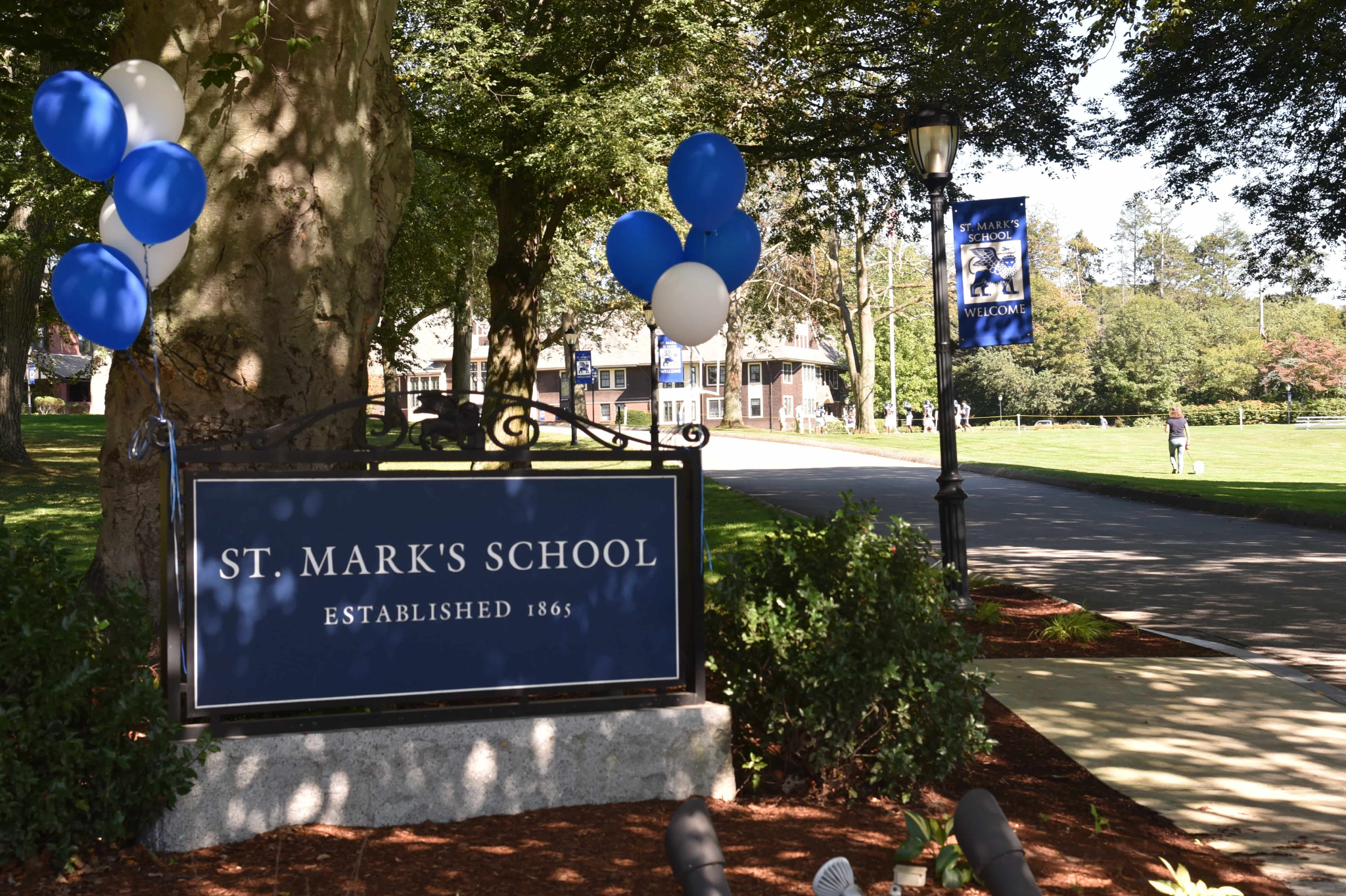
For the first time in recent years, St. Mark’s varsity athletes did not return to campus early for preseason. Instead, the Peer Discussion Leaders and Dorm Prefects were the only students who came on August 27 to welcome the new…
Image Source: Finding School
By Joey Huang ’28
For the first time in recent years, St. Mark’s varsity athletes did not return to campus early for preseason. Instead, the Peer Discussion Leaders and Dorm Prefects were the only students who came on August 27 to welcome the new students. Previously, preseason gave students time to settle into the school environment without stress. These days allow students to reconnect and get to know each other without worrying about academic commitments.
On the other hand, preseason also has disadvantages: it shortens students’ summer break, leaving them less time to adjust after the SAT exam in late August, and international students may have more complicated travel plans due to the earlier move-in date. In addition, opening dorms, dining services, facilities, and the campus requires the school to put in more resources.
For many athletes, preseason means more than practicing their sport. It gives teams an opportunity to build team chemistry before school begins. The atmosphere during preseason is different from regular school days: the team spends the whole day together training, dining, and recovering from strain. This is a special experience that allows the members of the group to come close together within a short period of time. Team chemistry is one of the most important yet overlooked factors in team sports. In high school sports, team chemistry can sometimes be a decisive factor in a successful season: it is how much teammates trust each other, how they communicate under pressure, and how the team responds to losses. Additionally, preseason was also particularly valuable for younger athletes entering an established program. For a new student, preseason meant more than learning new plays or training; it also meant bonding with the coaches and upperclassmen teammates, and becoming familiar with the campus beforehand.
Furthermore, whether preseason should return cannot be examined only from an athletic perspective. Opening campus early results in additional expenditures, including food, staffing, and facility maintenance. Moreover, only invited athletes are allowed to attend preseason, not all athletes. The valuable experience that preseason provides also points to its disadvantage, as this experience is selective. Most students are not invited back to campus early, and they have to adjust to dorm life, schedules, and jet lag in a shorter period. This weakness is amplified among the new students. The new students who arrived on campus earlier had already met other new students and become familiar with one another. This difference in experience creates a disconnect between invited new students and new students who arrived on the regular move-in dates. Removing preseason gives more students a similar starting point at the beginning of the year.
The absence of preseason represents more than the loss of several days of sports practices. It changes the way teams form relationships, how new students enter the community, and students’ transition back to school. Whether the benefits of an equal start and expenditure savings outweigh the community-building benefits of preseason will be left to St. Mark’s School to consider as the school experiences its first year without it.